
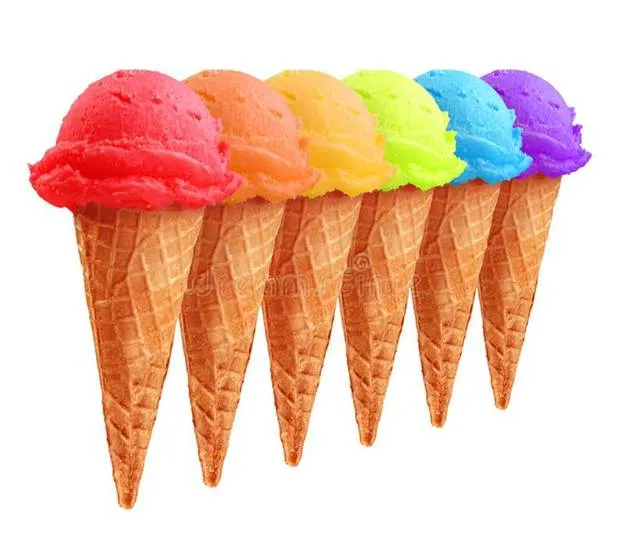
A supplier can have a lovely sample and a messy factory. Both exist. Before you sign anything, check the paper trail behind the product. Certifications show how a partner works day to day, and that matters for Ice Cream Colour as much as for any other ingredient. A bright shade means little if the plant behind it cuts corners.
Not every badge is worth the same, though. Some are hard to earn. Others are bought with a form and a fee. This guide sorts the useful ones from the noise. It keeps things plain, so a buyer, a chef, or a new quality hire can follow along without a glossary.
Start With GFSI Benchmarked Schemes
GFSI is the big umbrella. It does not certify anyone itself. It approves schemes like FSSC 22000, BRCGS, and SQF, and those schemes send trained auditors to the plant. If a supplier holds one, you know a third party looked closely at their food safety system, and not just their brochure.
Ask for the full certificate, not a logo on a website. Check the scope, the site address, and the expiry date. A certificate for one factory does not cover another. I have seen buyers miss that. It takes two minutes to read, and it can save a recall.
HACCP and Preventive Controls
HACCP is the backbone. It maps where hazards can sneak in and what stops them. In the United States, many plants also follow FSMA preventive controls, which add written plans and trained staff. Ask to see the flow chart and the critical control points. A real plan looks used, with notes and edits.
Dig into the records. Are temperatures logged on time? Who signs off? Gaps in the paperwork tell a story. A strong team can explain each control in simple words. A weak one reads from a script. Watch their faces when you ask about a past deviation.
Allergen and Kosher Credentials
Allergens deserve their own look. Ask how the plant separates nuts, milk, soy, and gluten. Cleaning validation matters more than a sign on the wall. Kosher and halal marks matter too, since they open doors to more customers. Each one comes from an agency, so confirm the agency is recognized.
Pigment sources can surprise you. Some carriers contain trace allergens, and some processing aids come from animal sources. A supplier of food coloring for ice cream should name every carrier and solvent on the spec sheet. If they hesitate, treat that as a flag. Clear answers are a good sign.
Organic, Non-GMO, and Clean Label
Organic certification follows strict rules on farming handling and records. Look for a recognized certifier and a current certificate, plus a transaction certificate for each shipment. Non-GMO Project verification is another common ask. Neither one says anything about safety alone, but both help with claims on your pack.
Be careful with vague phrases like natural food color manufacturer or plant based. They are not certifications. Ask for the actual document. Also check how the supplier prevents mix-ups between organic and conventional lots. Shared lines need a clear cleaning plan, and the records should show it was followed every time.
Quality Systems Beyond Food Safety
ISO 9001 shows a company manages quality as a process, not a mood. It covers training, complaints, and corrective action. Many ingredient partners hold it next to a food scheme. It is a good sign, though not a replacement. Think of it as the plain, sturdy shoes of certifications.
For colors, ask about heavy metal testing and microbial limits. Request recent certificates of analysis, and compare them across several lots. If the numbers never move, that can be odd. Real production varies a little. Honest data looks slightly bumpy, and that is fine.
Run the Audit Like a Pro
Certificates open the door. The audit walks you inside. Plan a visit, announced or surprise, and trace one lot from raw material to shipping. Pick a lot at random. Ask for every record tied to it. If the team finds everything fast, they run a tidy shop.
Talk to the floor staff, not only the managers. Ask a packer what they do when a label looks wrong. Watch how people wash hands and change gloves. Check mock recall results, too. A supplier of food coloring for ice cream should trace any batch in under four hours.
Conclusion
The certifications that matter most are GFSI schemes, HACCP or preventive controls, allergen and religious credentials, organic or non-GMO proof, and ISO 9001. Read every document in full. Match scope, site, and dates. Then back it up with a real visit, since paper alone never tells the whole story.
For more guidance on color sourcing and supplier checks, visit foodrgb.com and browse the resources. Build a simple scorecard, rate each partner the same way, and review it yearly. A small habit like that keeps your supply chain honest, and your customers will trust what ends up in the tub.