

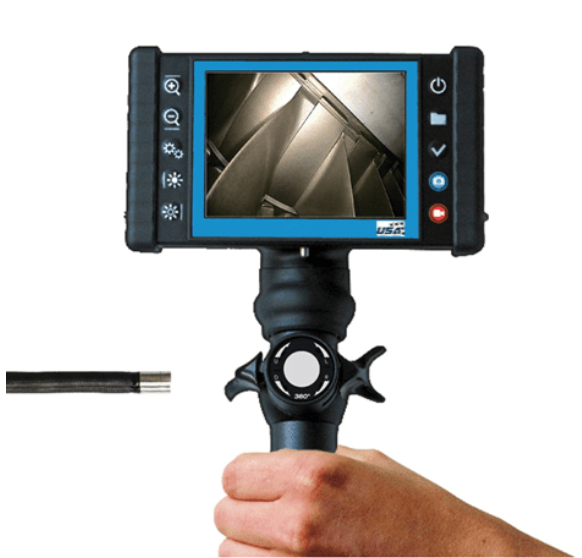
Gearboxes work hard behind the scenes in industrial equipment, vehicles, and mechanical systems. Over time, gears, bearings, and shafts slowly wear due to friction, load, heat, and operating stress. Catching that wear early helps prevent sudden failures, unplanned shutdowns, and expensive repairs.
Traditionally, inspecting internal gearbox components meant partial or full teardown. That process is time consuming, costly, and often unnecessary when early wear is the only concern. A videoscope offers a smarter way to inspect and measure gearbox wear without taking the system apart.
By inserting a high resolution probe through existing access points, technicians can see and measure internal components with accuracy while keeping the gearbox intact. This reduces disruption and allows inspections to happen more often.
This guide explains how videoscopes are used to measure gearbox wear, which components can be evaluated, and how to collect reliable measurements without engine teardown or heavy disassembly.
Why Measuring Gearbox Wear Matters
Gearbox wear does not happen overnight. It develops gradually as metal surfaces rub against each other and lubrication conditions change. If left unchecked, small issues such as pitting or light scoring can grow into broken gear teeth, vibration problems, or seized bearings that stop equipment entirely.
Measuring wear helps maintenance teams make smarter decisions before problems escalate. It supports planned maintenance instead of emergency repairs and allows teams to act based on condition rather than guesswork.
Key benefits include:
- Planning repairs instead of reacting to failures
- Extending gearbox service life
- Reducing downtime and labor costs
- Improving overall equipment reliability
Videoscope inspections make this process easier because they are faster and far less disruptive than teardown inspections.
What a Videoscope Can Reveal Inside a Gearbox
A modern videoscope provides clear visuals and built in measurement tools that help assess gearbox condition from the inside. When used correctly, it reveals wear that cannot be detected through external checks alone.
Common findings include:
- Gear tooth wear and surface pitting
- Scoring or scratches on shafts
- Bearing race damage or flaking
- Discoloration caused by overheating
- Debris or metal particles inside the housing
By documenting these findings, maintenance teams can track wear patterns, compare inspection results over time, and identify areas that need closer attention.
Accessing the Gearbox Without Teardown
One of the biggest advantages of a videoscope is the ability to inspect through existing openings. Most gearboxes include service ports or inspection covers that allow probe entry without removing major components.
Typical access points include:
- Oil fill or drain ports
- Inspection plugs
- Sensor openings
- Breather ports
Before inserting the videoscope, the gearbox should be shut down and allowed to cool. Cleaning the access point helps prevent contamination and improve image clarity. Proper preparation also reduces the risk of damaging internal components during inspection.
Measuring Gear Tooth Wear Accurately
Gear teeth are among the most critical components inside a gearbox. Wear in this area directly affects performance, efficiency, and noise levels during operation.
Using a videoscope with measurement software allows technicians to:
- Measure tooth thickness
- Compare wear across multiple teeth
- Identify uneven contact or load patterns
Capturing reference images and measurements during earlier inspections makes it easier to track wear progression. Over time, this trend data helps determine when corrective action is needed and prevents unexpected failures.
Evaluating Bearings and Races
Bearings support rotating shafts and absorb operational loads. Even small defects can lead to vibration, noise, and heat buildup that damage surrounding components.
A videoscope helps evaluate bearing condition by:
- Checking race surfaces for scoring
- Identifying spalling or surface flaking
- Measuring visible gaps or deformation
Although not every bearing surface may be visible, the areas that can be inspected often provide enough information to assess lubrication quality and bearing health.
Inspecting Shafts and Seals
Shaft wear and seal damage often occur together. A worn shaft surface can cause seals to fail, leading to oil leaks and internal contamination.
With a videoscope, technicians can:
- Measure shaft surface wear
- Check alignment visually
- Inspect the seal lips and the nearby areas
Early detection of shaft or seal issues helps prevent lubricant loss and reduces the risk of further internal damage that affects the entire gearbox.
Using Measurement Tools Built Into the Videoscope
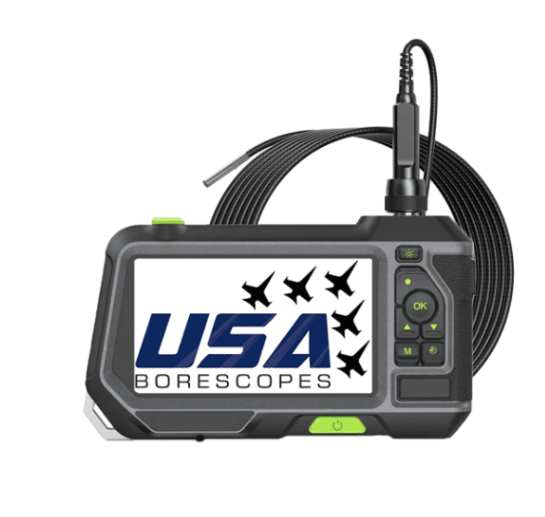
Many advanced videoscopes include on screen measurement tools that allow users to measure distances, depths, and surface defects directly from captured images.
To improve accuracy:
- Calibrate the measurement system before use
- Position the probe as close and square to the surface as possible
- Use reference points with known dimensions
Consistency matters. Taking measurements from similar angles during each inspection ensures results can be compared reliably over time.
Recording and Comparing Inspection Data
Visual inspection alone provides value, but recording inspection data increases that value significantly. Videoscope systems allow users to save images and videos for future reference.
Best practices include:
- Labeling images with date and equipment ID
- Recording measurement values with visuals
- Comparing new inspections with previous records
This documentation supports condition based maintenance and helps justify repair or replacement decisions using clear visual evidence.
Reducing Downtime and Maintenance Costs
Traditional gearbox teardown requires skilled labor, replacement gaskets, and extended downtime. Videoscope inspections reduce these costs by limiting how often disassembly is required.
Benefits include:
- Faster inspections
- Less equipment disassembly
- Lower risk of reassembly errors
- Improved safety for maintenance teams
By using videoscopes during routine maintenance, teams can reserve teardowns only for situations where repairs are truly necessary.
Choosing the Right Videoscope for Gearbox Inspections
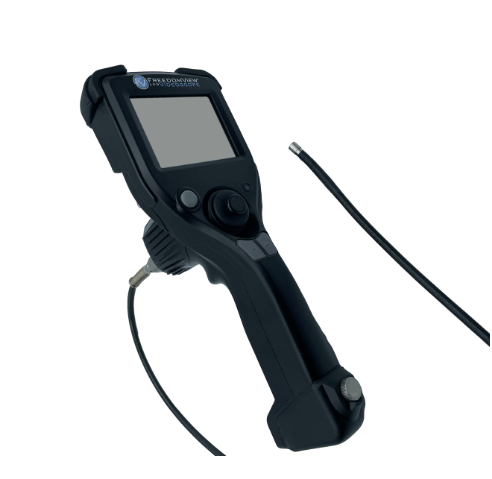
Not all videoscopes are suited for gearbox inspections. Important features to consider include high image clarity, probe flexibility, articulation control, and reliable measurement software. Probes should also withstand oil exposure and debris.
USA Borescopes provides inspection solutions designed for industrial environments, helping technicians inspect hard to reach gearbox components with clarity and confidence. They focus on tools that support accurate measurement and reliable inspections in real world maintenance settings.
Making Videoscope Inspections Part of Routine Maintenance
Adding videoscope inspections to regular maintenance schedules improves long term gearbox performance. Even brief inspections can reveal early warning signs before damage spreads.
Over time, this approach leads to fewer surprise failures, better spare parts planning, and longer equipment life. For teams looking to inspect smarter without unnecessary teardown, videoscopes offer a practical and efficient solution.
If you want to learn more about using videoscopes for gearbox inspections, contact USA Borescopes.
About the Author
This guest article was written by an industrial inspection technology writer with experience covering non destructive testing, maintenance strategies, and visual inspection tools used across manufacturing, mechanical, and industrial sectors.