

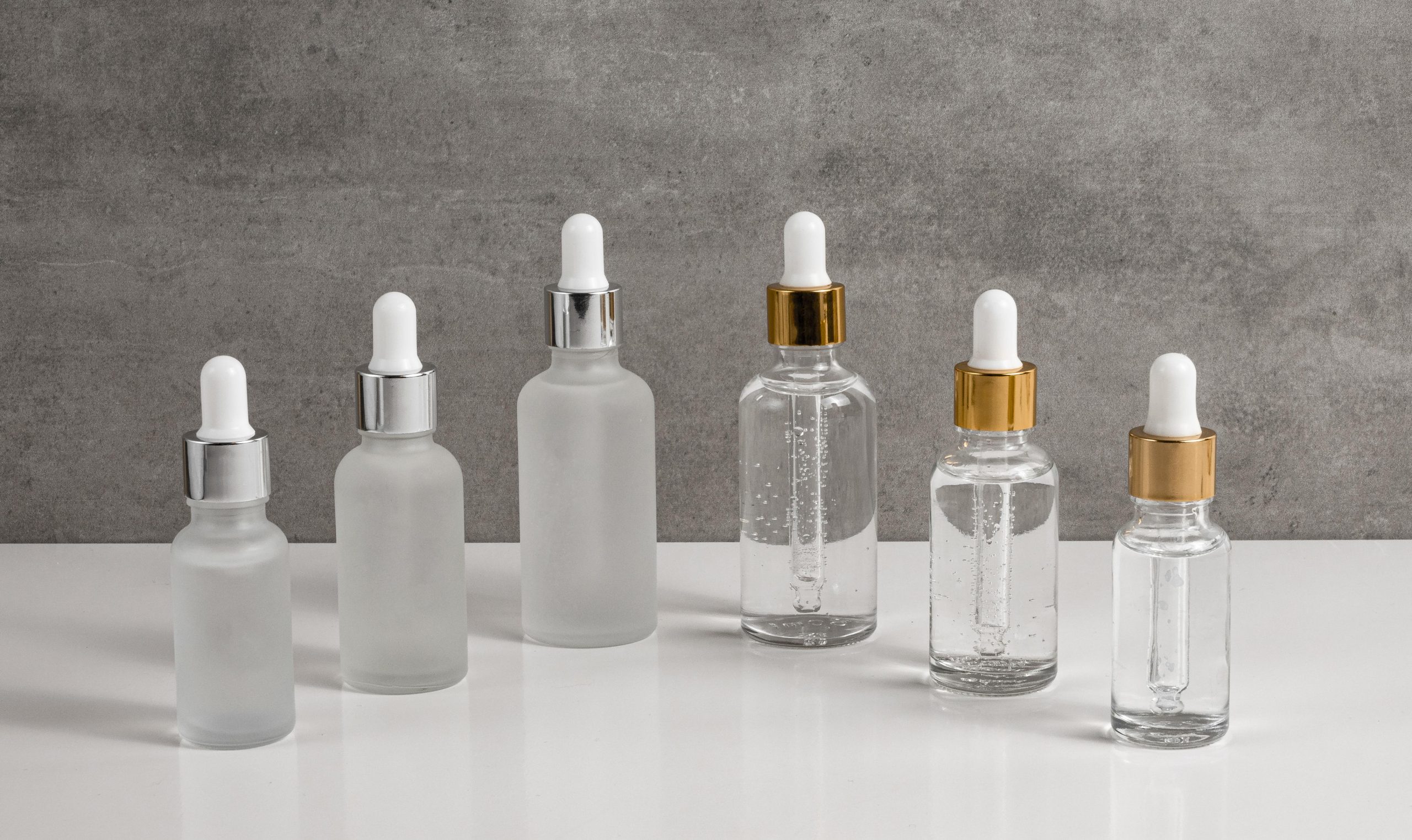
Serums have become an essential part of modern skincare routines, thanks to their lightweight textures and concentrated actives that deliver targeted results. From hydration and brightening to addressing fine lines, acne, or dullness, there is a serum formulation suitable for nearly every concern. Understanding the differences between these formulations can help you build an effective routine that works in harmony with your skin’s needs.
What Makes Serums Effective?
Serums are known for their potent blends of active ingredients that penetrate deeply due to their lightweight consistency. They typically deliver higher concentrations than regular moisturisers, enabling more precise treatment. Whether you are aiming for improved luminosity or long-term skin health, serums play a significant role in boosting overall effectiveness.
How Serums Fit Among Other Skincare Essentials
Within the evolving world of skincare products, serums stand out for their versatility. Unlike cleansers, toners, or creams, serums offer a balance of strength and comfort, allowing them to be used both day and night. Their compatibility with various formulations—such as gels, emulsions, and water-based liquids—makes them adaptable to many routines. This flexibility is one of the reasons they have become a staple for people looking to elevate their daily skincare habits.
Exploring Niacinamide-Based Formulations
One of the most widely recognised formulations today is the Ordinary niacinamide serum, valued for its ability to support the skin barrier and balance excess oil. Niacinamide, also known as Vitamin B3, is celebrated for its gentle yet effective approach to refining texture and enhancing clarity. Serums containing niacinamide are typically suitable for a broad range of skin types, making them an excellent introduction to active-based skincare. Their non-intrusive nature also allows them to layer well with other products, contributing to a balanced routine.
Hydrating Serum Formulations
Hydrating serums, often crafted with ingredients like hyaluronic acid, glycerin, or panthenol, attract and retain moisture within the skin. These formulations are ideal for people who experience dryness, tightness, or dullness. Lightweight yet deeply nourishing, hydrating serums replenish moisture levels and help restore a plump, refreshed appearance. Many of these formulations also pair well with richer creams to maintain hydration throughout the day.
Exfoliating and Brightening Serum Options
Chemical exfoliating serums are formulated with AHAs, BHAs, or PHAs to help smooth texture and unclog pores. They remove dead skin cells without the need for physical scrubbing, making them particularly useful for managing uneven tone or congestion. Brightening serums, on the other hand, often include Vitamin C or liquorice root extract to support radiance and reduce the appearance of dark spots. These options help boost glow while promoting a more refined finish.
Anti-Ageing and Repair-Focused Serums
Serums designed for anti-ageing commonly feature ingredients like retinol, peptides, and antioxidants. These formulations aim to enhance firmness, minimise fine lines, and improve elasticity. Repair-focused serums go a step further, supporting the skin’s natural recovery process by reinforcing its protective barrier. Together, they help maintain long-term resilience while complementing the rest of your routine.
Final Thoughts
Choosing the right serum formulation can transform your skincare experience. With options catering to hydration, radiance, clarity, and overall repair, serums offer targeted benefits that elevate everyday routines. By selecting formulations suited to your concerns and layering them thoughtfully, you can enjoy a more radiant, balanced, and nourished complexion.